Creative Solutions for Packaging and Cardboard Disposal
You can almost smell the fresh corrugate the moment a delivery lands. Boxes everywhere, tape snapping, that papery rustle. It's the sound of business moving -- and the quiet headache of dealing with all the packaging once the rush settles. If you've ever stared at a mountain of cardboard on a rainy Tuesday in London and thought, "there must be a better way," you're in the right place. This in-depth guide explores Creative Solutions for Packaging and Cardboard Disposal that actually work in real warehouses, offices, and homes. No fluff. Just clever ideas you can put to use today.
We'll cover smart packaging design, right-sizing, reusable systems, cardboard baling, perforation, composting options, and more. You'll find UK-focused compliance guidance, costs and rebates, and a step-by-step playbook that helps you move from chaos to clean. Clean, clear, calm. That's the goal.
Table of Contents
- Why This Topic Matters
- Key Benefits
- Step-by-Step Guidance
- Expert Tips
- Common Mistakes to Avoid
- Case Study or Real-World Example
- Tools, Resources & Recommendations
- Law, Compliance or Industry Standards (UK-focused)
- Checklist
- Conclusion with CTA
- FAQ
Why This Topic Matters
Packaging is the first physical touchpoint your customer has with your brand. But it's also one of the biggest operational headaches -- the sheer volume of cardboard, the randomness of sizes, the cost of bins and collections, and the footprint it leaves if you don't manage it right. With e-commerce still rising and customers expecting fast, sustainable delivery, creative solutions for packaging and cardboard disposal move from "nice to have" to business-critical.
In our experience, improvements here tend to punch above their weight. A better box strategy saves you on shipping, storage, and returns. Smarter cardboard disposal cuts costs, clutter, and health-and-safety risks. And the environmental impact? Meaningful. The UK recycles millions of tonnes of paper and cardboard each year -- and both WRAP and Defra regularly highlight cardboard as a key material to capture cleanly. The upside is real and immediate.
Here's a small moment: a cafe owner in Bristol told us she stacked boxes behind the counter "just for one night." By morning the pile had doubled, the team was stepping around it, and a customer made a joke about a "cardboard fort." Funny, yes. But also a fire risk and a brand miss. Little things escalate fast.
Truth be told, getting this right makes daily life feel lighter.
Key Benefits
When you implement innovative packaging and cardboard recycling ideas, the wins stack up quickly:
- Cost savings: Right-sizing packaging lowers courier volumetric weight; baling cardboard increases rebates and reduces collection fees.
- Space efficiency: Flat-packed and baled cardboard reduces clutter and improves workflow. Less tripping over boxes, more productive floor space.
- Faster operations: Standardised packaging speeds picking and packing; clean segregation means fewer delays waiting on waste collections.
- Compliance confidence: Aligning with the Waste Hierarchy, Duty of Care, and EPR rules reduces risk and admin pain.
- Customer satisfaction: Better unboxing, less void fill, clear recycling instructions -- customers notice and appreciate it.
- Sustainability impact: Recyclable, reusable, and compostable options reduce landfill and carbon footprint.
- Brand value: A well-designed, low-waste packaging experience signals care and quality. To be fair, it just looks and feels better.
One warehouse manager told us the simplest benefit was "breathing room." Less mess, fewer trips to the bin area, and a calmer shift. You'll feel that change the first week you get control.
Step-by-Step Guidance
1) Audit your packaging and cardboard streams
Start with eyes open. Walk the floor and note:
- Top sources of cardboard (goods-in, returns, retail front-of-house, office deliveries).
- Typical box sizes and volumes by day and week.
- Contamination issues: tape, labels, food residue, shrink wrap mixed in.
- Storage and movement: where boxes pile up, who handles them, and how often.
Ever tried clearing a room and found yourself keeping everything "just in case"? It's like that with packaging. Be honest about what you actually need and what's clutter.
2) Redesign packaging with right-sizing
Use box sizers and carton assortment planning to reduce air. Courier pricing loves air -- well, it charges you for it. Less void means lower costs and fewer fillers. Consider:
- Right-size cartons: A tight fit reduces damage and materials.
- Modular sizes: Keep a core range that works for 80% of orders.
- Die-cut inserts: Corrugated inserts replace plastic trays and hold products safely.
- Perforated mailers: Easier to open, less tape, customer-friendly.
One brand we worked with moved from 17 box sizes to 8. Pick times dropped, courier bills fell, and shelves looked tidy. A proper triple win.
3) Choose materials that are easy to recycle
Prioritise FSC-certified cardboard and avoid complex laminates. For void fill, switch to paper, honeycomb wrap, or starch-based options. If you ship fragile items, consider corrugated bubble or paper cushioning instead of plastic bubbles. Avoid wet-strength additives unless necessary; they can complicate recycling.
4) Set up clean segregation at source
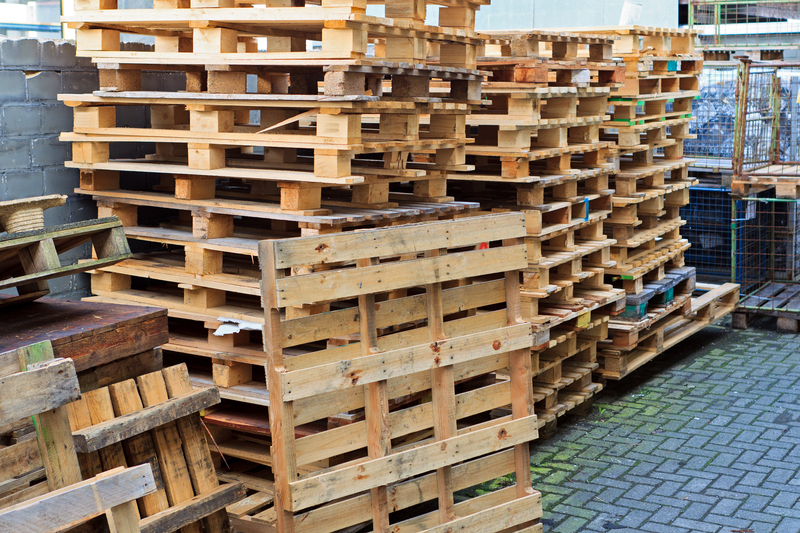
In short: keep cardboard clean and dry. Use clearly labelled bins and keep film, tape, and polystyrene separate. Store cardboard off the floor (pallets help). If outdoors, cover to protect from rain. Moisture is your enemy -- soggy card reduces grade and rebates.
Yeah, we've all been there: you think one wet night won't matter. It does.
5) Flatten, bale, or compact
For small sites, flattening and banding may be enough. For medium to large volumes, use a cardboard baler or waste compactor:
- Balers: Create dense bales (typically 50-500 kg). Higher density usually equals better rebates from recyclers.
- Compactors: For mixed recyclables or residual waste, compactors reduce pickups and space.
- Shredders/perforators: Turn boxes into packaging void fill on-site -- free cushioning and less waste collected.
It was raining hard outside that day, but a simple bailing routine kept everything inside dry and moving. The difference was almost quiet -- fewer bin lorry visits, fewer interruptions.
6) Arrange collections and rebates
Contact local recyclers for scheduled pickups. Ask about bale specs, rebates tied to OCC (old corrugated containers) pricing, and contamination thresholds. Some logistics partners can backhaul your cardboard to their depots after deliveries -- seriously handy if you're tight on space.
7) Train your team and build habits
Clear signage. Quick refreshers. Short videos. Make it easy to do the right thing. And celebrate wins -- a "20% fewer collections this month" note on the break-room board gets a smile, trust me.
8) Track KPIs and iterate
Measure cardboard volume (kg or bales), waste costs per order, damage rate, and courier volumetric costs. Adjust packaging sizes quarterly. Review supplier packaging too -- can they ship with less void? Don't be shy to ask.
Expert Tips
Design tricks that pay off
- Print recycling guidance inside the box: A small icon, brief instruction, and you lower contamination at the customer end.
- Two-use mailers: Include a tear strip and second adhesive line to enable returns without extra packaging.
- Perforate large boxes: Easy tear-down means staff flatten faster; fewer trips, fewer aches.
- Use colour-coded tape sparingly: Too much tape lowers bale quality; a single strip is usually enough.
Operations and storage
- Don't store cardboard near heat sources or exits: Fire risk and insurance headache. Keep stacks to safe heights (H&S guidance).
- Rotate stock of packaging: Old damp boxes fail more often. FIFO even applies to packaging, funny enough.
- Create a clear "goods-in to baler" path: Less double handling, faster flow.
- Set storm protocols: If rain's forecast, move cardboard indoors or cover it. Wet card equals lost value.
Buying and rebates
- Negotiate bale rebates: Ask for banded pricing tied to commodity indexes and quality grades. It's your material -- get fair value.
- Bundle services: Some providers offer equipment at low rental if you commit to material volumes.
- Check hidden fees: Callout charges, contamination deductions, minimum weights -- read the small print.
Small aside: one facilities lead told us a single extra strip of tape across every box cost them two full rolls a week. Sounds tiny. Adds up.
Common Mistakes to Avoid
- Mixing materials: Film, polystyrene, food residue mixed with cardboard reduces recyclability and rebates.
- Storing outdoors without cover: Moisture kills value. Don't do it, even for a day.
- Using oversized packaging: You pay to ship air; customers dislike waste. Right-size and you'll see immediate savings.
- Ignoring baler safety: No training, no PPE, no signage -- a hard no. Follow PUWER and training guidelines.
- Skipping data: No weights, no bales counted, no photos -- makes negotiation and improvement tough.
- Over-reliance on plastic fillers: There are paper-based alternatives with equal protection in most cases.
- Forgetting seasonal peaks: Prepare extra storage and pickups for Q4, sale events, or big launches.
- Letting returns pile: Returns create sudden cardboard surges. Give them a dedicated station and routine.
- Not asking suppliers to reduce packaging: You can nudge upstream changes. Many will help if you ask.
- Poor signage: Vague bins = wrong material. Use photos, icons, and simple words.
Ever stood by the baler and thought, "why is this so slow today?" Nine times out of ten, it's contamination or a jam from tape or strapping.
Case Study or Real-World Example
Park Royal E-commerce Warehouse, West London
Context: A fast-growing e-commerce brand in Park Royal was wrestling with daily cardboard mountains. Orders doubled over six months, but waste routines didn't. Staff stepped around stacks; baler sat idle due to training gaps. Rainy weeks were the worst -- soggy piles, more collections, lower rebates.
Approach: We implemented a simple playbook.
- Right-sizing: Down from 14 boxes to 7, with a box sizer at the pack bench.
- Training: 45-minute H&S session on baler safety plus a 5-minute daily refresher for two weeks.
- Segregation: New colour-coded bins and a "no film in card" pledge from the team.
- Storage: Palletised flat-pack area indoors with rain covers ready by the shutter door.
- Collections & rebates: Switched to weekly scheduled pickups with bale quality bonuses.
Results (first 90 days):
- Courier volumetric charges down 12%.
- Cardboard collections down from 5/week to 2/week.
- Rebates increased 18% due to cleaner, denser bales (average 250 kg).
- Pack speed improved by 9% (fewer size decisions).
Human moment: On week three, the ops lead messaged "It's quiet by the bins. Wasn't expecting that." A calm corner in a busy unit is a tiny luxury.
Tools, Resources & Recommendations
Equipment
- Vertical balers (50-250 kg bales): Great for mid-volume sites. Ensure auto-eject features for safety.
- Horizontal balers (up to 500 kg+): For high volume operations; high density and best rebates.
- Perforators/shredders: Turn used boxes into void fill. Amazing for small e-commerce operations.
- Compactors: For general waste or mixed recyclables where segregation is trickier.
- Box sizers and carton sealers: Speed and consistency at the pack bench.
Materials & packaging design
- FSC-certified corrugate: Traceable, responsible sourcing.
- Honeycomb paper wrap: Lightweight, protective, and recyclable.
- Paper tape: Better bale quality; can be recycled with the box in most UK streams.
- Starch-based void fill: Compostable and customer friendly (include guidance).
- Return-ready mailers: Two-use designs enhance customer experience and reduce extra packaging.
Software and calculators
- Volumetric weight calculators: Optimise dimensions for major couriers.
- Packaging optimisation tools: Simulate breakage vs. material use; choose the sweet spot.
- Material flow trackers: Simple spreadsheets or light apps to log bales, weights, and collection costs.
Guidance sources (UK)
- WRAP (Waste & Resources Action Programme): Best practice on recycling, material quality, and business cases.
- Defra: Policy and guidance on packaging waste and Extended Producer Responsibility (EPR).
- HSE: Safety standards for machinery (PUWER) and safe stacking/storage.
- Recycle Now: Consumer guidance; handy for on-pack messaging.
- ISO 14001: Environmental management systems for organisations looking to formalise improvements.
A note of reassurance: you don't need everything at once. A baler and better box sizes can transform your setup. Start there; you'll feel the difference.
Law, Compliance or Industry Standards (UK-focused if applicable)
Compliance can feel dry, but it protects you and your team -- and it's simpler than it seems when you break it down. Here's what matters most for Creative Solutions for Packaging and Cardboard Disposal in the UK.
Waste Hierarchy (EU/UK principle)
- Prevent > Reduce > Reuse > Recycle > Recover > Dispose.
- Design for minimal packaging first; recycle clean cardboard as standard.
Duty of Care (Environmental Protection Act 1990)
- Businesses must manage waste safely and transfer to authorised carriers.
- Keep Waste Transfer Notes or digital records for two years, noting European Waste Catalogue code: 15 01 01 (paper and cardboard packaging).
Waste (England and Wales) Regulations 2011
- Require separate collection for key recyclables "where technically, environmentally and economically practicable."
- Cardboard should be collected separately from general waste for quality recycling.
Producer Responsibility Obligations (Packaging Waste) Regulations 2007
- Those who handle significant packaging may have obligations to recover/recycle through compliance schemes.
Extended Producer Responsibility (EPR) for Packaging (phased introduction)
- Shifts full net cost of managing packaging waste onto producers.
- Data reporting requirements for obligated producers; fees influenced by recyclability and materials used.
Plastic Packaging Tax (for context)
- Applies to plastic packaging with less than 30% recycled content; consider paper/cardboard alternatives where practical.
Health and Safety: PUWER and safe use of balers/compactors
- PUWER (Provision and Use of Work Equipment Regulations): Ensure equipment is suitable, maintained, and staff are trained.
- Provide PPE, clear SOPs, and regular inspections. Never bypass guards or reach into machines.
- LOLER may apply for lifting operations (e.g., bale movements via forklift).
Fire safety and storage
- Follow local Fire and Rescue Service guidance: keep cardboard away from ignition sources and exits; limit stack height, maintain aisles.
Practical UK note: Councils vary on commercial collection rules. Check your borough's requirements and schedule -- saves you those awkward early-morning bin lorry missed collections.
Checklist
- Audit complete? Sources, volumes, and problem points logged.
- Right-size packaging? Reduced sizes, box sizer in place, and modular set chosen.
- Materials optimised? FSC corrugate, paper tape, recyclable fillers.
- Segregation clear? Clean and dry streams, labelled bins, staff know the drill.
- Equipment installed? Baler/compactor sized to volume; maintenance plan set.
- Training done? PUWER-compliant training and refreshers.
- Collections arranged? Schedule, bale spec, and rebates confirmed.
- Fire safety checked? Safe stacking, clear exits, dry storage.
- Data tracked? Bales, weights, costs per order, contamination incidents.
- Supplier engagement? Upstream packaging reduction in progress.
If you ticked most of these, you're not just tidy -- you're efficient and compliant. Feels good, doesn't it?
Conclusion with CTA
Let's face it: cardboard isn't glamorous. But getting packaging and disposal right changes the rhythm of your day. Fewer interruptions. Faster pack benches. Safer aisles. Customers who open your parcels and smile instead of sighing at a heap of filler. That's the power of Creative Solutions for Packaging and Cardboard Disposal done well.
Start small if you like -- a box sizer, cleaner segregation, a rain plan. Or go big with balers, perforators, and a full packaging redesign. Either way, you'll see the difference in days, not months.
Get a free quote today and see how much you can save.
And breathe. You're building a system that works with you, not against you.
FAQ
Can wet cardboard be recycled?
It depends on extent. Slightly damp is often acceptable if it dries and remains clean, but soaked or contaminated card typically gets downgraded or rejected. Store under cover and off the floor to protect value.
What is the EWC code for cardboard packaging in the UK?
Use European Waste Catalogue code 15 01 01 for paper and cardboard packaging. Include it on your Waste Transfer Notes to stay compliant with Duty of Care.
How do I choose between a baler and a compactor?
Use a baler if you generate a lot of cardboard and want rebates from dense, clean bales. Choose a compactor for mixed recyclables or general waste reduction where segregation isn't viable.
Is shredded cardboard good for protective packaging?
Yes. Perforated or shredded cardboard makes effective, fully recyclable void fill. It's a great way to repurpose inbound boxes and cut costs on bubble wrap or foam.
What are the best alternatives to plastic bubble wrap?
Honeycomb paper wrap, corrugated bubble, crumpled kraft paper, and die-cut corrugated inserts. They offer solid protection and keep disposal simple for the customer.
Can I compost cardboard at home or onsite?
Uncoated cardboard can be composted when shredded and mixed with green waste. Avoid heavy inks, waxed coatings, or food contamination. Commercial composting standards may vary -- check local guidance.
How can I reduce courier volumetric charges?
Right-size boxes, minimise void, and use mailers for small items. A box sizer and a reduced range of modular sizes usually lower volumetric weight -- and your bill.
What safety rules apply to using a cardboard baler?
Follow PUWER: provide training, maintain equipment, keep guards in place, and set SOPs. Use PPE and never reach into a machine. If lifting bales with a forklift, consider LOLER requirements.
Do pizza boxes and food-stained cardboard get recycled?
Light grease may be acceptable in some council streams, but heavy food residue isn't. If in doubt, tear off clean sections for recycling and bin the greasy bits. For businesses, keep food contamination away from OCC bales.
How do I store cardboard safely in a small space?
Flatten, band, and stack on pallets away from heat sources and exits. Keep heights sensible, use corner protectors if needed, and cover to keep dry. Clear aisle space is non-negotiable.
What's the simplest way to start being more sustainable with packaging?
Switch to FSC corrugate, use paper tape, and right-size your top 5 SKUs. Add a short recycling note inside the box. You'll see quick wins with minimal disruption.
How do rebates for cardboard work?
Rebates depend on market prices for OCC and the quality/density of your bales. Cleaner, heavier bales fetch better rates. Negotiate banded pricing with your recycler and keep contamination low.
Can I burn cardboard waste?
No. Open burning creates pollution, can breach local regulations, and is unsafe. Recycle it or work with a licensed waste carrier. Your insurer will thank you.
How do I handle confidential or labelled boxes?
Remove labels if they include sensitive data or shred the boxes. Many perforators or shredders can handle labelled board, but assess the risk first and set a clear policy.
What if my supplier sends excessive packaging?
Ask for a packaging review: smaller boxes, fewer fillers, and standardised cartons. Most suppliers are open to change -- less packaging saves them money too.
Are reusable crates practical for e-commerce?
For closed-loop systems (e.g., B2B deliveries or click-and-collect), yes. For postal e-commerce, reusable options are emerging but depend on returns rates and customer adoption.
What's a realistic bale weight target?
Small vertical balers: 50-100 kg. Mid-size: 150-300 kg. Horizontal: 300-500 kg+. Check your equipment's spec and your recycler's preferred bale size for best rates.
One last thought: this work isn't glamorous, but it's grounding. You'll feel it in the quiet corners, the tidy aisles, and the lighter bills. That's something.