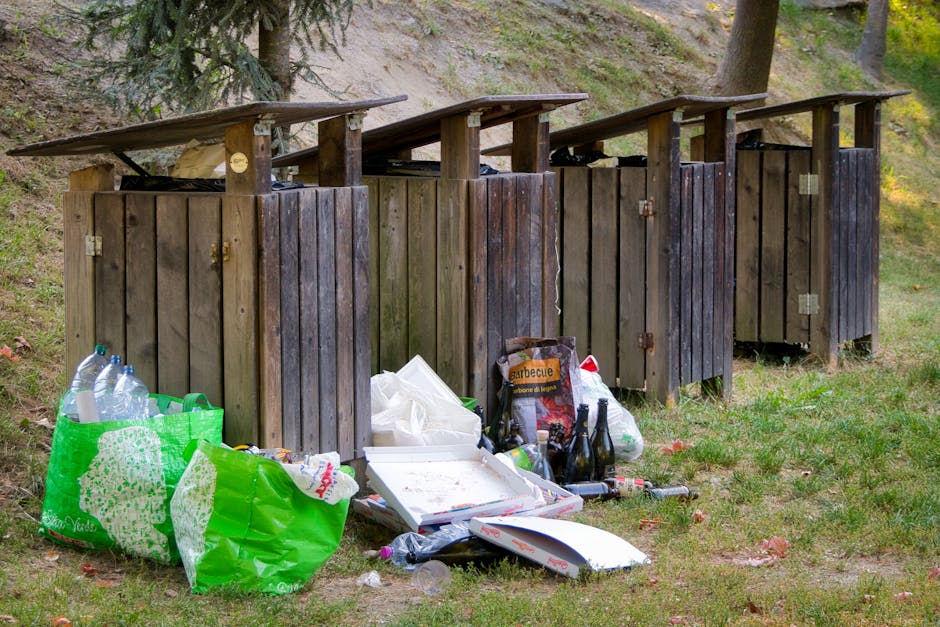
Common problems when clearing garden rubbish in Ickenham
If you have ever stared at a pile of hedge cuttings, broken plant pots, muddy turf and the odd rusted bit of fence and thought, "Right... where do I even start?", you are not alone. Clearing garden rubbish in Ickenham sounds simple enough at first, but the reality can be messier than people expect. Bulky branches snag on gates, wet green waste gets heavier by the hour, and one innocent-looking pile can hide soil, rubble, or even sharp metal. That is usually where the common problems when clearing garden rubbish in Ickenham begin.
This guide breaks down the most frequent issues people run into, why they matter, and how to handle them without turning a tidy-up into a weekend drain on time and energy. You will also find practical steps, useful comparisons, a checklist, and a few local-minded pointers that should make the whole job feel more manageable. To be fair, most garden clearances are less about hard labour and more about planning well.
Why Common problems when clearing garden rubbish in Ickenham Matters
Garden rubbish is not just "garden rubbish". In practice, it can include soft green waste, woody material, soil, stones, old sleepers, broken fencing, damaged pots, bags of weeds, and sometimes a few surprise extras hiding under the top layer. In Ickenham, where many homes have driveways, side access, narrow paths, or shared entrances, the challenge is often not the waste itself but getting it out safely and cleanly.
Why does that matter? Because the wrong approach can create avoidable problems very quickly. A rushed clearance may damage paving, block access for neighbours, create slip hazards on damp mornings, or leave you with mixed waste that is harder to dispose of responsibly. You can also end up paying more if the load is not sorted correctly from the start.
There is another angle too: time. Most people underestimate how long a proper garden clearance takes. A couple of overgrown borders on a Saturday morning can easily spread into a full day once bags are filled, branches are cut down, and everything needs shifting. And then there is the weather. A light drizzle is one thing; a soaked lawn and half-dried grass clippings are another. Anyone who has tried dragging wet hedge trimmings through a narrow gate knows the feeling. Not fun.
Understanding the common problems when clearing garden rubbish in Ickenham helps you plan better, reduce effort, and choose the right method for the job. That might mean doing it yourself, hiring help, or using a service that can handle mixed garden waste, bulky items, and the awkward bits you would rather not wrestle with.
How Common problems when clearing garden rubbish in Ickenham Works
At a practical level, garden rubbish clearance usually follows the same pattern: identify the waste, separate the material types, move it to a collection point, and dispose of it correctly. Sounds easy. It rarely is. The "how" becomes tricky because every garden is different, and the waste itself can vary wildly from one job to the next.
Here is what typically complicates things:
- Mixed materials: green waste, soil, timber, plastic, and old garden fittings often end up in one pile.
- Restricted access: side passages, steps, narrow gates, or shared alleyways slow everything down.
- Heavy waste: wet compost, turf, and soil are far heavier than they look.
- Bulky items: broken sheds, planters, tree sections, or old furniture do not fit neatly into standard bags.
- Weather: rain adds weight and makes paths slippery, which matters more than people expect.
There is also the matter of sorting. Green waste can often be handled differently from general waste, and items such as treated timber, broken concrete edging, or old paint tins may need separate treatment. If you skip this stage, the disposal side becomes harder and, in some cases, more expensive. Quite frankly, that is where a lot of people get caught out.
If you are weighing up a bigger tidy-up, it can also help to think beyond the garden itself. A garage, loft, or full home clearance may reveal extra clutter that needs removing at the same time. For those larger jobs, pages such as garden clearance, house clearance, or even garage clearance can be useful starting points if you are trying to match the right type of clearance to the mess in front of you.
Key Benefits and Practical Advantages
Once the obvious mess is gone, the benefits of clearing garden rubbish properly are easy to notice. The garden looks bigger, safer, and much easier to use. You can actually reach the shed door without stepping over a branch pile. The grass gets more light. The borders breathe a bit. And somehow the whole place feels calmer.
There are practical advantages too:
- Safer movement: fewer trip hazards, sharp edges, and hidden obstructions.
- Better presentation: especially useful if you are preparing to sell, rent, or host guests.
- More usable space: a clear patio or lawn is easier to enjoy and maintain.
- Less stress: the job feels more manageable when waste is organised properly.
- Improved disposal efficiency: separating waste often makes the final removal simpler.
Another benefit that is easy to overlook is momentum. Once the heavy rubbish is removed, it becomes much easier to keep going with pruning, weeding, and finishing touches. A garden that looks "nearly there" can be motivating in a way that a full mess never is. You can almost hear the space breathing again, if that does not sound too dramatic.
Expert summary: The biggest win in garden rubbish clearance is not just making waste disappear; it is reducing complexity. If you separate, plan, and move methodically, the whole job becomes safer, faster, and far less frustrating.
Who This Is For and When It Makes Sense
This topic matters to a wide range of people in Ickenham. Some are homeowners clearing up after a long season of growth. Others are landlords preparing a garden between tenancies. Some are older residents who want the space cleared without lifting heavy bags. And then there are the practical types doing a major tidy-up after landscaping, storm damage, or a long-overdue garden reset.
It also makes sense when:
- the garden has become too overgrown to manage in one go
- the waste includes more than just light cuttings
- you do not have a vehicle suitable for transport
- the access is awkward, tight, or shared
- you need the area cleared quickly before work starts
- you simply do not want to spend your entire weekend loading bags
Sometimes the decision is less about "can I do it?" and more about "should I really do it this way?". If a clearance is going to involve lifting heavy bags, repeated trips to the car, and a garden path that feels like a narrow obstacle course, then professional help may be the smarter choice. Truth be told, that is often the moment people stop romanticising DIY.
For readers comparing service types, it can help to look at related options such as waste removal or recycling and sustainability, especially if the garden waste is only part of a larger decluttering project. If you are dealing with furniture, broken outdoor seating, or mixed household clutter alongside the garden job, there may be a crossover with furniture disposal or furniture clearance as well.
Step-by-Step Guidance
A tidy, safe clearance is usually less about speed and more about sequence. If you tackle it in the right order, you avoid backtracking and reduce the chance of damage or injury.
- Walk the garden first. Look for mixed waste, hidden rubble, thorny cuttings, broken glass, or anything that needs separate handling.
- Split waste into sensible groups. Keep green waste, timber, soil, metal, plastics, and bulky items apart where possible.
- Measure access points. Gates, side passages, steps, and tight corners can change how the waste should be moved.
- Bag or bundle properly. Use suitable bags for softer waste and tie branches securely so they do not snag.
- Protect surfaces. If paths or patios are delicate, lay down boards or take extra care when dragging heavy loads.
- Load from heaviest to lightest. This is easier on the body and helps avoid squashing lighter bags.
- Check for special items. Old paint, treated wood, sharp metal, or contaminated material may need separate treatment.
- Do a final sweep. Loose twigs, screws, and bits of plastic are easy to miss, especially in poor light.
A small but useful tip: do the waste walk-through before you start cutting or bagging anything. It sounds obvious, but a quick look at the full picture often saves a lot of trouble later. One pile on the lawn can hide a second pile under the hedge, and that second pile is usually the annoying one.
Sorting the waste properly
Sorting matters because not all garden rubbish behaves the same way. Soft green waste compresses easily. Branches take up more space and can be awkward to stack. Soil is heavy and should never be underestimated. Mixed rubble or timber can change the disposal route altogether. If you are unsure whether something counts as garden waste or general waste, treat it carefully and separate it until you know more.
Managing access without damaging the property
This is where many clearances go a bit sideways. Heavy sacks dragged over paving can leave scratches. Wet bags can burst if they are overfilled. Branches angled the wrong way can scuff walls or snag on railings. In tighter Ickenham properties, a little extra care goes a long way. Slow is often faster than having to repair damage afterwards.
Expert Tips for Better Results
Here are the practical habits that make a real difference, especially on bigger clearances.
- Work from the back of the garden forward. It keeps cleared space available for staging waste.
- Use a tarpaulin or sheet. It makes moving loose waste easier and cleaner.
- Cut long branches down before moving them. Long pieces are the usual troublemakers at gates and corners.
- Keep a separate pile for sharp or awkward items. Old wire, stakes, and broken tools need extra care.
- Do not overfill bags. A bag that is too heavy becomes awkward fast, and frankly, everyone ends up regretting it.
- Plan the route out of the garden. Shorter, clearer paths save time and reduce mess.
- Use gloves with grip. Garden waste can be wet, spiky, or surprisingly slippery.
One more thing: if you are clearing after a season of growth, start earlier in the day. By late afternoon, wet clippings can become heavier, and energy drops off. A job that felt fine at 10 a.m. can feel twice as annoying by tea time. That is just life, really.
If the clearance involves broken appliances, old outdoor equipment, or stubborn bulky waste mixed in with garden debris, you may find it useful to look at specific removal options such as fridge and appliance removal or builders waste clearance. It is not unusual for a garden job to spill over into other kinds of waste once you start lifting things.
Common Mistakes to Avoid
Most clearance headaches come from a handful of predictable errors. Avoid these and you will save yourself time, money, and a fair bit of irritation.
- Mixing everything together. It feels quicker at first, but it often makes disposal harder later.
- Underestimating weight. Soil, damp grass, and wet hedge trimmings can be much heavier than they look.
- Ignoring hidden hazards. Broken glass, rusty nails, and old wire are easy to miss in overgrown areas.
- Using weak bags. A split bag halfway down the path is a classic nuisance.
- Forgetting access constraints. A pile that fits in the garden may still be awkward to carry out.
- Leaving the final sweep too late. Tiny debris tends to spread once people start walking through the area again.
Another common issue is trying to do too much in one burst without a plan. Garden rubbish clearance is often a series of smaller decisions, not one big lift-and-go event. Step back, regroup, and keep the workflow sensible. No shame in that at all.
Tools, Resources and Recommendations
You do not need a shed full of specialist equipment to clear garden waste well, but the right basics help enormously.
- Heavy-duty gloves: for protection against thorns, splinters, and rough materials.
- Pruning shears or loppers: useful for reducing branch size before moving.
- Rake and shovel: especially handy for leaves, clippings, and loose soil.
- Wheelbarrow or garden trolley: a huge help if the garden is long or uneven.
- Tarpaulin: ideal for dragging lighter waste in one go.
- Strong waste sacks: make sure they are suitable for the material you are loading.
- Face covering or dust mask: helpful if you are dealing with dry, dusty soil or mouldy debris.
For broader waste planning, it is also worth checking service pages that explain how different waste types are handled. For example, if your garden project has become a bigger clear-out than expected, home clearance or loft clearance may be relevant too. And if you want to understand how the business approaches responsible disposal, the recycling and sustainability page is a sensible place to look.
One practical recommendation: keep a separate, clearly marked pile for anything you are unsure about. It is much easier to ask questions about a small sorted stack than to untangle a mixed mountain later. Small habit, big payoff.
Law, Compliance, Standards, or Best Practice
Garden rubbish clearance is not usually complicated from a legal point of view, but there are still sensible standards and responsibilities to keep in mind. In the UK, waste should be handled and disposed of responsibly, and mixed rubbish should not be left where it could cause a nuisance, block access, or create a hazard. If waste is handed to a carrier, it is wise to make sure that the waste is dealt with properly and that the process is transparent.
For homeowners, the main best-practice points are straightforward:
- do not burn waste unless you are certain it is lawful and safe to do so
- avoid fly-tipping or leaving waste in public spaces
- separate hazardous or unusual items from normal green waste
- take care with sharp, heavy, or contaminated material
- keep pathways clear so nobody trips while moving waste out
If a garden clearance involves materials beyond ordinary clippings, such as treated wood, chemicals, or items that may be classed as hazardous, extra care is needed. Pages like hazardous waste disposal and health and safety policy can help set expectations about how a responsible service approaches this sort of material. And if security or payment reassurance matters to you, it can also be sensible to look at payment and security or insurance and safety.
Best practice is really about common sense with a professional edge. Keep the site tidy, keep the waste sorted, and do not force a shortcut that could create a mess elsewhere. That is the long and short of it.
Options, Methods, or Comparison Table
There are a few ways to deal with garden rubbish, and the right choice depends on volume, access, urgency, and how much lifting you want to do yourself.
| Method | Best for | Pros | Potential drawbacks |
|---|---|---|---|
| DIY bagging and transport | Small amounts of light waste | Low upfront cost, full control | Time-consuming, heavy lifting, vehicle limits |
| Hire-based collection support | Mixed or bulky garden waste | Faster, easier, less strain | May cost more than DIY |
| Full clearance service | Overgrown or cluttered gardens | Best for large jobs, includes sorting and loading | Less hands-on control over each step |
| Phased clearance | Big gardens with limited time | Flexible, spreads effort over time | Takes longer overall if not managed well |
In many real-world cases, the best option is not the cheapest on paper. It is the one that saves you multiple trips, avoids damage, and gets the garden usable again without drama. If the job has lots of mixed materials, the convenience of a managed service often outweighs the effort of trying to wrestle it all yourself.
Case Study or Real-World Example
Picture a typical rear garden in Ickenham after a long stretch of growth. The border is packed, the hedge has run away from itself, and there is a patch of old timber edging that has collapsed in damp weather. A homeowner starts with a couple of bin bags and the best of intentions. Half an hour later, they have discovered wet soil under the hedge, a pile of thorny trimmings, and a narrow side gate that makes every trip awkward.
What changed the outcome was not brute force. It was sorting the job properly. The waste was split into green cuttings, timber, and heavier spoil. The bulky branches were cut down before moving. The narrow access point was cleared first so the route stayed open. A tarp was used to gather loose material, and the final sweep picked up screws and splinters that would otherwise have been left behind.
The result? Less mess, less frustration, and a garden that was genuinely usable again by the end of the day. No magic, just method. That is usually how these jobs go when they go well.
Practical Checklist
Use this quick checklist before you start:
- Walk the full garden and identify all waste types
- Separate green waste from timber, rubble, and general rubbish
- Check gates, side access, and any tight corners
- Gather gloves, sacks, shears, rake, and a trolley or wheelbarrow
- Protect paths and patios if needed
- Cut bulky branches into manageable sections
- Keep sharp or questionable items apart
- Do not overfill bags
- Plan where waste will be stacked before collection
- Finish with a thorough sweep for small debris
Checklist done properly, the job feels less like chaos and more like a sequence you can actually finish.
Conclusion
The common problems when clearing garden rubbish in Ickenham are rarely dramatic on their own, but together they can turn a simple tidy-up into a frustrating slog. Mixed waste, awkward access, hidden hazards, heavy bags, and poor sorting are the usual troublemakers. The good news is that most of these problems are manageable once you slow the job down, plan the route, and separate the waste sensibly.
If you remember only one thing, let it be this: garden rubbish clearance is easier when you treat it like a process rather than a lump of hard work. A little sorting, a little foresight, and a little patience go a long way. And if the job has quietly grown beyond a quick DIY clear-out, that is perfectly normal. Happens all the time.
Get a free quote today and see how much you can save.
There is something deeply satisfying about seeing a garden breathe again once the clutter is gone. Small space, big difference.
Frequently Asked Questions
What counts as garden rubbish in a typical Ickenham clearance?
Garden rubbish usually includes grass cuttings, hedge trimmings, branches, weeds, leaves, old plants, soil, turf, damaged pots, broken fencing, and sometimes old outdoor items. If it came from the garden or ended up there during maintenance, it probably counts toward the clearance.
Why is garden waste harder to clear than it looks?
Because it is often mixed, wet, bulky, and awkward to carry. A pile that looks light can turn into a heavy load once it is bagged. Add narrow access or uneven ground and it gets trickier fast.
Can I mix soil, branches, and green cuttings together?
You can physically mix them, but it is usually not the best idea. Sorting waste by type makes loading and disposal easier, and it helps avoid problems if some items need separate handling.
What is the most common mistake people make when clearing garden rubbish?
The big one is underestimating the weight and volume of the waste. People often start with one small heap in mind and end up dealing with several separate piles, especially once they dig into overgrown areas.
How do I deal with awkward access to the garden?
Measure the access points first, then cut larger waste down into smaller sections and move it in stages. If the route is tight or shared, keep it clear and avoid overloading bags that are hard to manoeuvre.
Is it worth hiring help for a small garden clear-out?
Sometimes yes, especially if the waste is heavy, bulky, or time-sensitive. Even a small garden can be a pain if the materials are awkward or you do not have the right vehicle to move them.
What should I do with broken garden furniture or old outdoor items?
Separate them from green waste. Bulky items often need different handling from cuttings and branches. If the job also includes indoor clutter, a broader clearance option may be more suitable.
How can I avoid damaging my patio or driveway during clearance?
Use strong bags, avoid dragging sharp or heavy items across surfaces, and lay down protective sheets or boards if needed. It is a lot easier to prevent scuffs than to fix them later.
Are there any safety risks with garden rubbish clearance?
Yes. Common risks include slips on wet ground, cuts from hidden sharp objects, strains from lifting heavy bags, and contact with thorny or mouldy material. Gloves, good footwear, and steady pacing help a lot.
What happens if the garden waste includes hazardous material?
Hazardous items should be separated and handled carefully rather than treated like ordinary green waste. If you suspect contaminated or hazardous material is present, it is best to keep it aside and seek proper handling rather than guessing.
How long does a typical garden rubbish clearance take?
That depends on size, access, weather, and how sorted the waste is. A small tidy-up may take only a short time, while an overgrown or mixed clearance can easily take most of a day.
What is the best way to prepare before starting?
Walk the garden, sort the waste into groups, clear the route out, gather the right tools, and decide what needs extra care. That small bit of preparation saves a surprising amount of frustration later on.